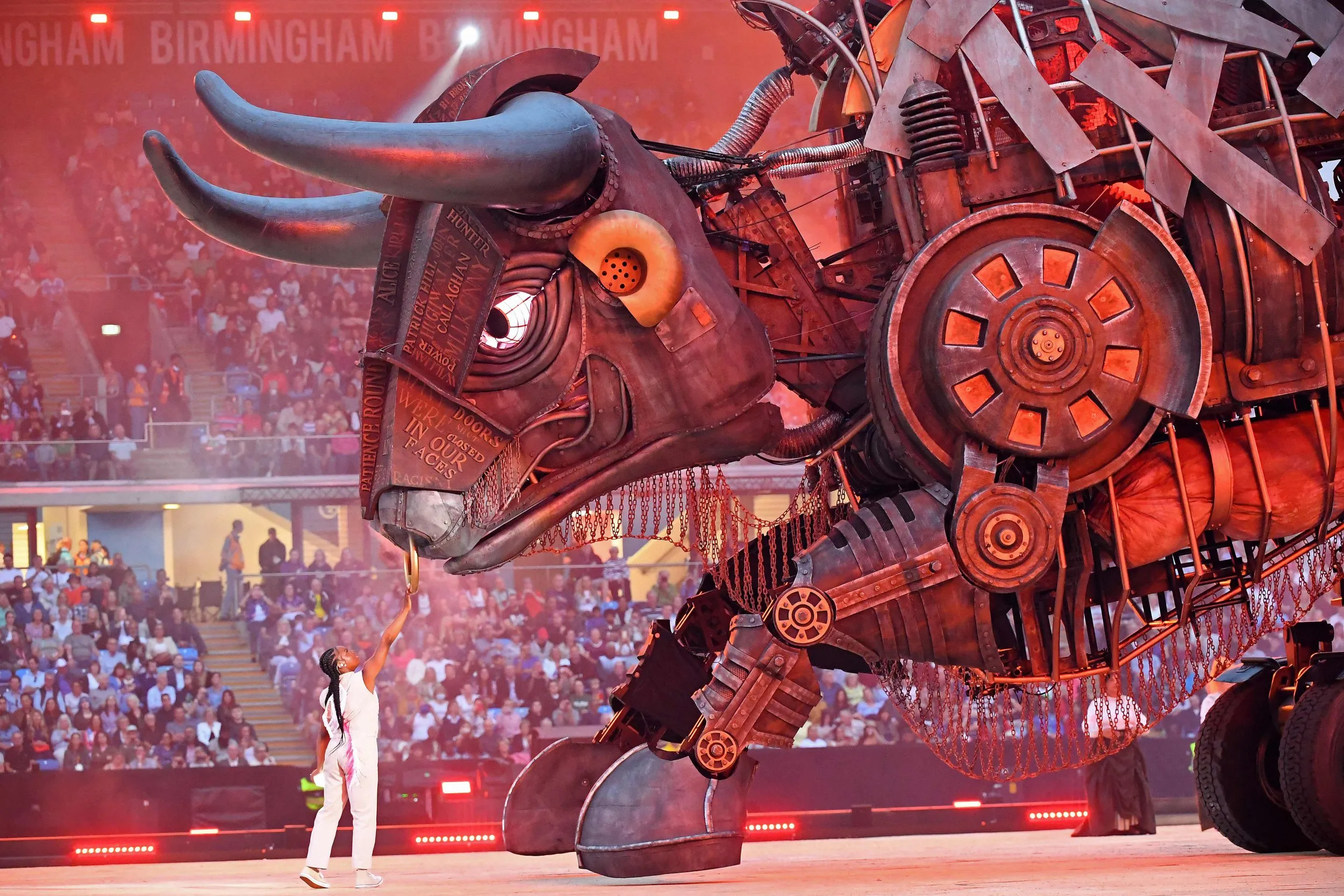
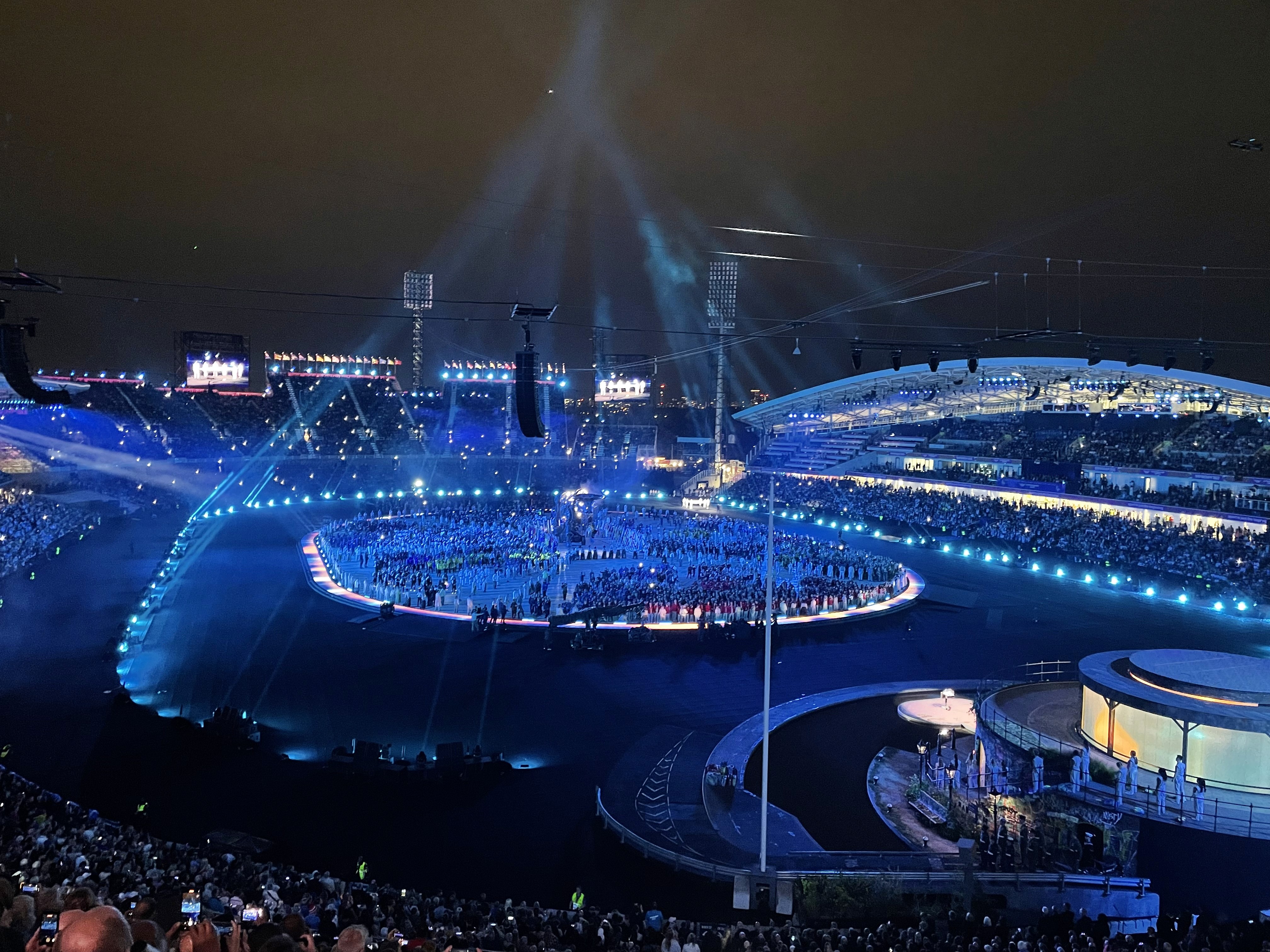
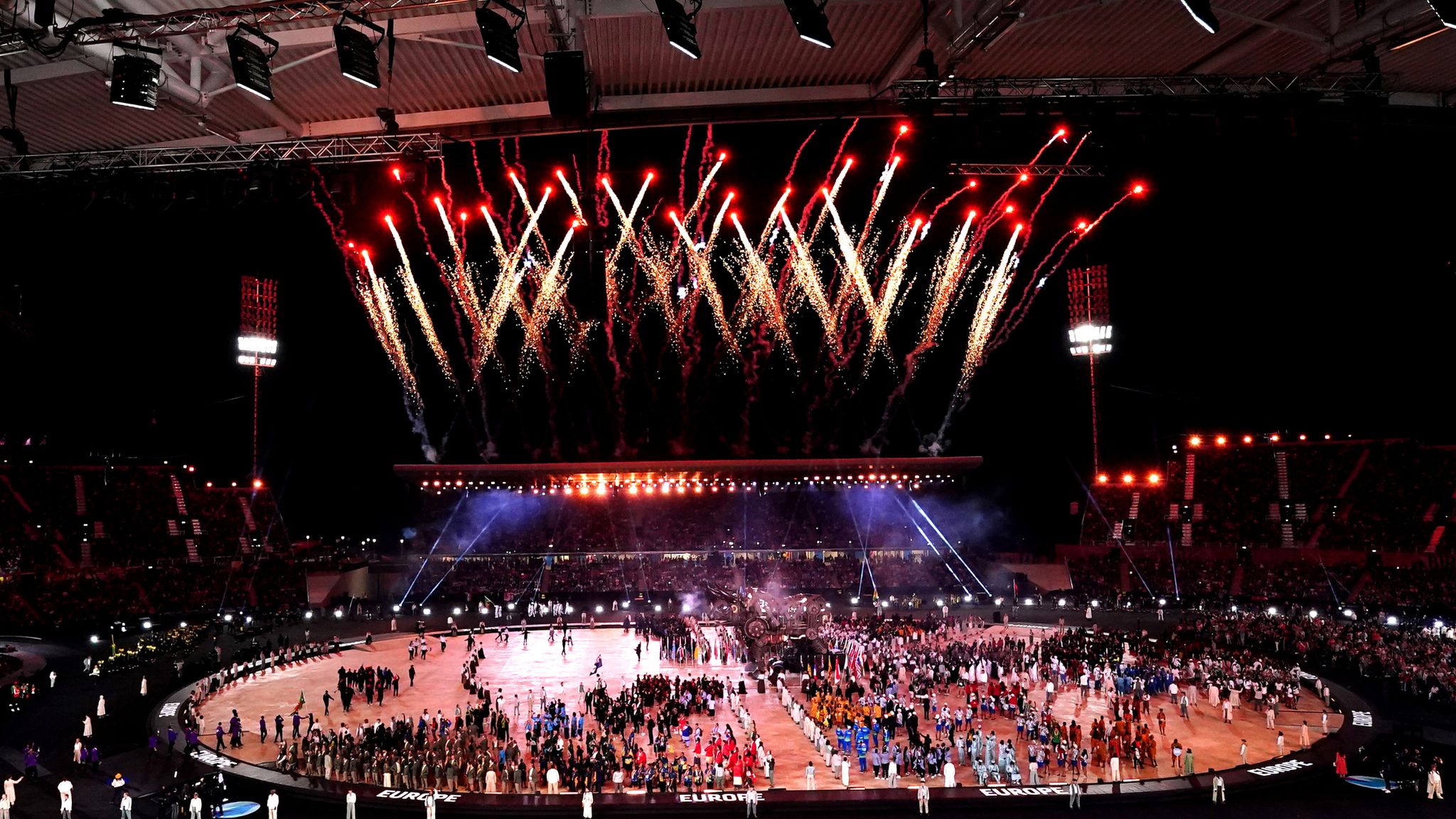
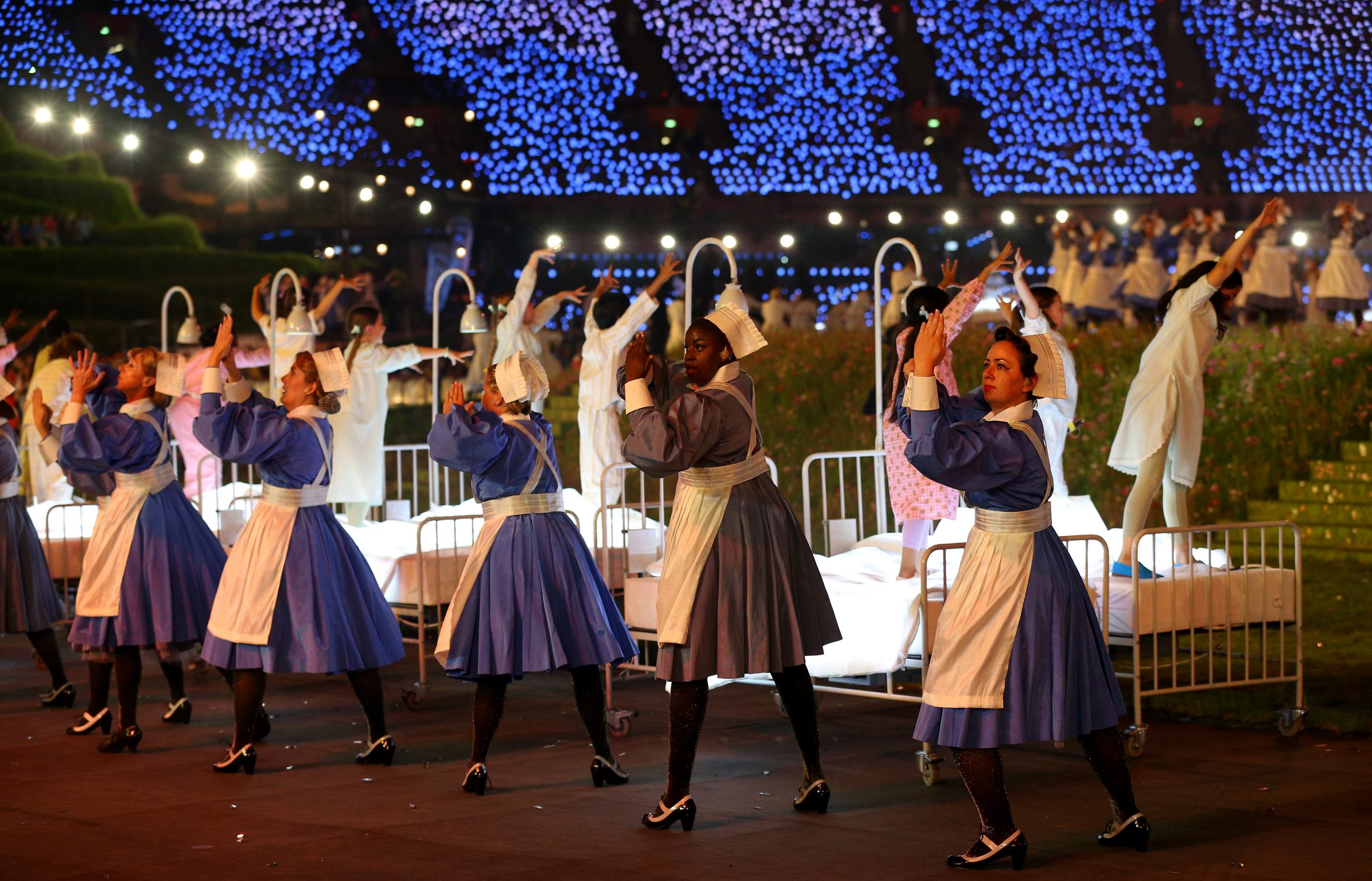
As Senior Stage Manager, I was responsible for one of the main entrances, managing the flow of performers, vehicles, and set pieces on and off the field of play. Each entrance had a senior and a supporting stage manager, and together we coordinated thousands of moving parts in real time.
During the live broadcast, timing was everything. From the moment the show began, every cue connected to a chain of critical events, from vehicles entering the stadium to the Red Arrows flypast that had to hit the sky exactly as the national anthem ended. Once the aircraft were two minutes out, there was no stopping them. If anything in my entrance fell behind, whether a vehicle breakdown, a blocked route, or a performer delay, we had to find a solution instantly to keep the ceremony on track.
Ceremonies of this scale are unpredictable by nature. You never get a full, accurate dress rehearsal, and once the audience arrives, everything changes. Security, Secret Service, and crowd control measures can appear without warning, closing routes or shifting access points, forcing us to re-route hundreds of performers with only minutes to spare.
It is live performance at its most extreme, the perfect blend of theatre’s immediacy and film’s logistical precision. No matter how much planning goes in, you have to stay calm, make fast decisions, and trust your instincts. It is high pressure, high stakes, and incredibly rewarding.